
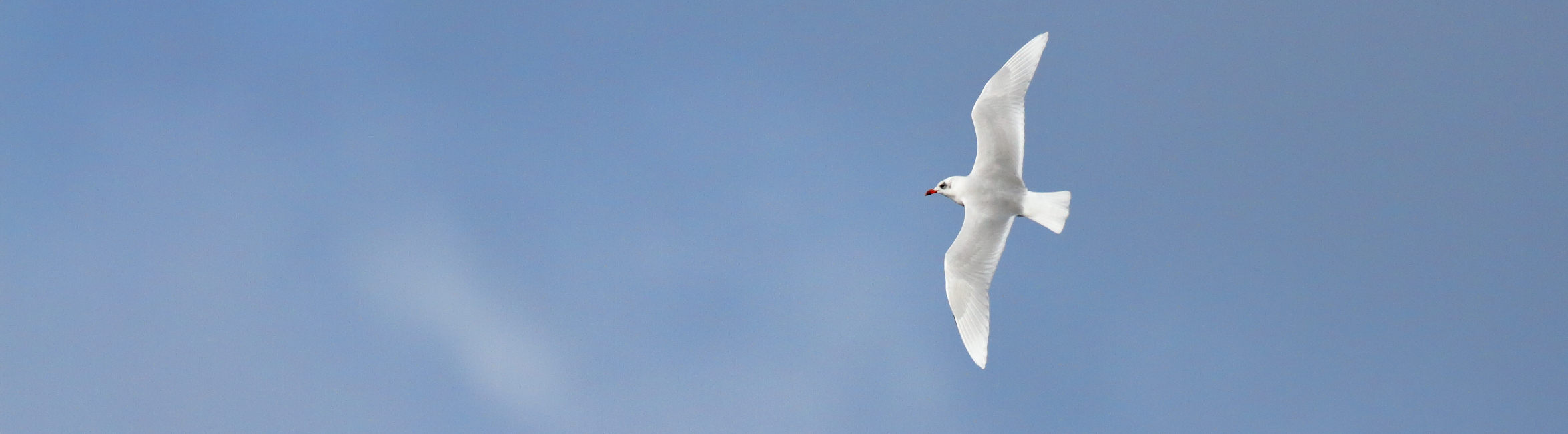
* ‘British Isles’ in this case means the United Kingdom, Ellan Vannin (Isle of Man) and Éire (Republic of Ireland).
I don’t pretend to be a Larin expert, but I do enjoy a good gull roost!
Gulls, or Larins (not to be confused with Larids, which includes the Terns), are classic ‘marmite’ birds. You love ’em or you hate ’em.
Growing up in inland Sussex, my gulling antics started with the winter roosts at Ardingly and Weir Wood Reservoirs. Finding my first Mediterranean Gulls on these tame water bodies was an exhilarating baptism into the joys of gull watching.
I’m probably no better at identifying gulls today than I was as a teenager! But I’ve since had the privilege of seeing many species around the world, in their array of age-related plumages and, of course, the dreaded hybrids which serve to further confuse and frustrate.
Larins are an excellent indicator of how man has disrupted nature. Loss of natural habitats and depletion of natural food stocks has been accompanied by the rise of man-made rural nesting and scavenging opportunities. This has brought gulls into close contact – and thus disrepute – with snowflake humans and their societies. Human disruption has caused colonies to shrink, disappear, move and/or merge at a rate faster than natural change would have driven. As a result, the diversity and abundance of gulls in the world has changed greatly. Many once-allopatric species have been brought into such close contact that hybridisation is rife – with the potential loss of morphological and phenological boundaries for species identification.
One of the great untold stories of the Anthropocene, is the disruption (or corruption, as I prefer) of evolution. We remain oblivious to the oblivion we bring.
Even if you dislike gulls, hopefully you can admire their adaptability and tenacity at surviving and protecting their own – even if it results in a stolen chip, poop on the head or in being dive-bombed at your front door!
Gull galleries
Taxonomic order and nomenclature are based on Collins Bird Guide (Third Edition. Lars Svensson, Killian Mullarney, Dan Zetterstrom and Hans Larsson. Published by Christopher Helm 2022).
Black-headed Gull
Bonaparte’s Gull
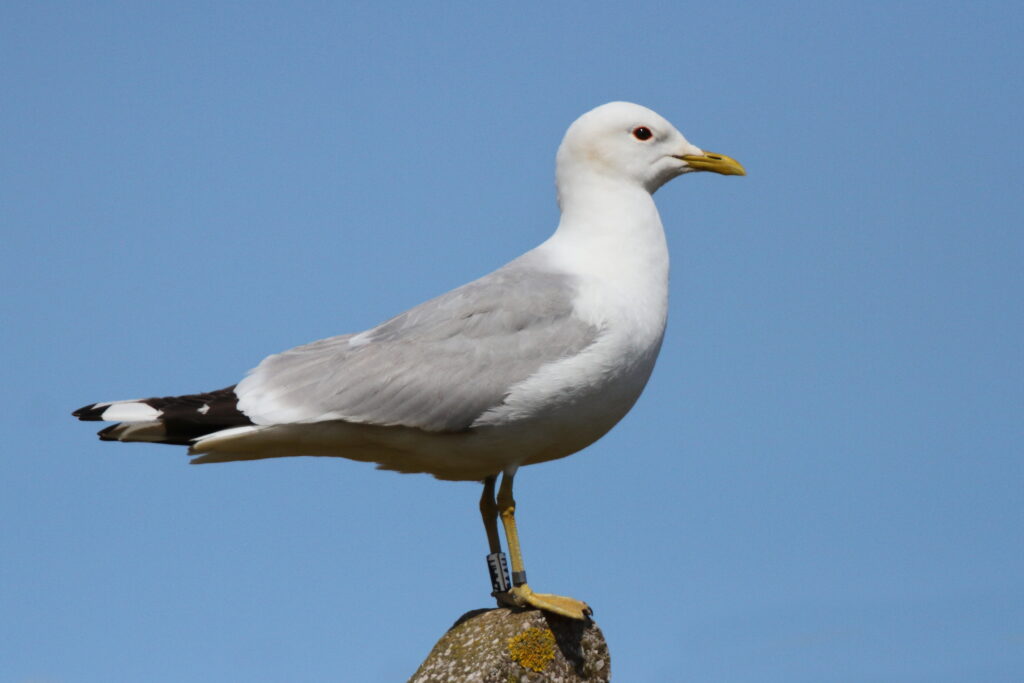
Ring-billed Gull
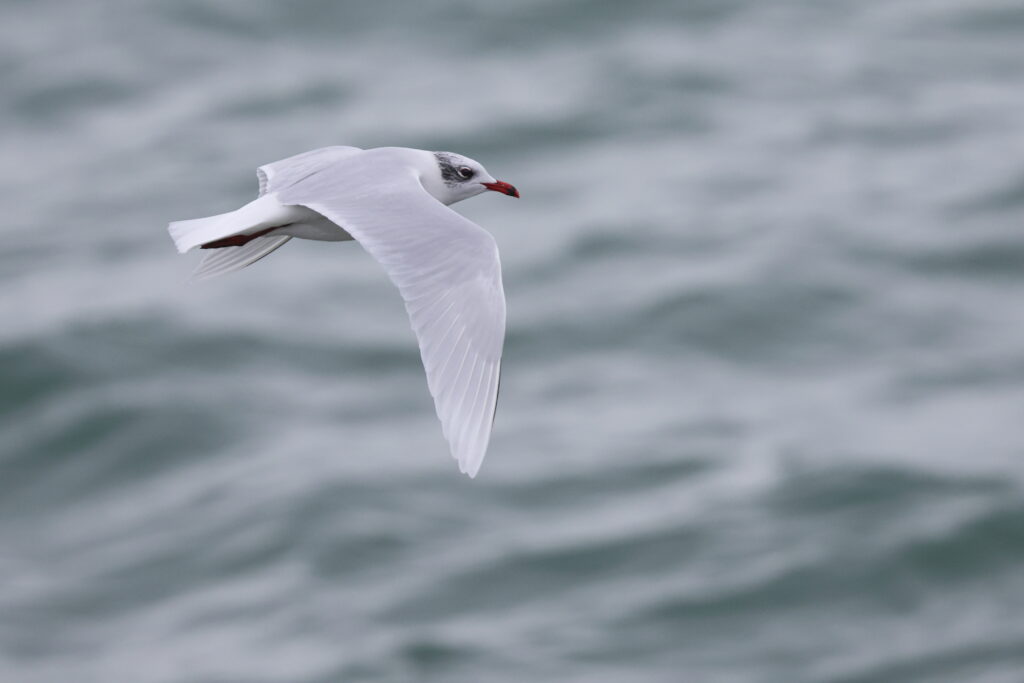

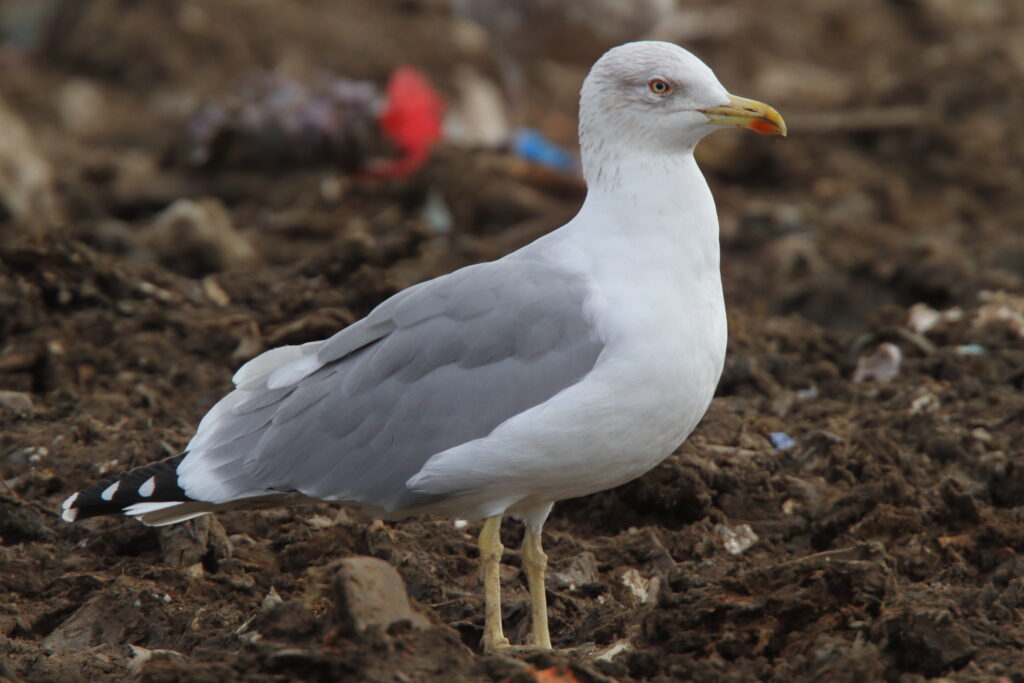
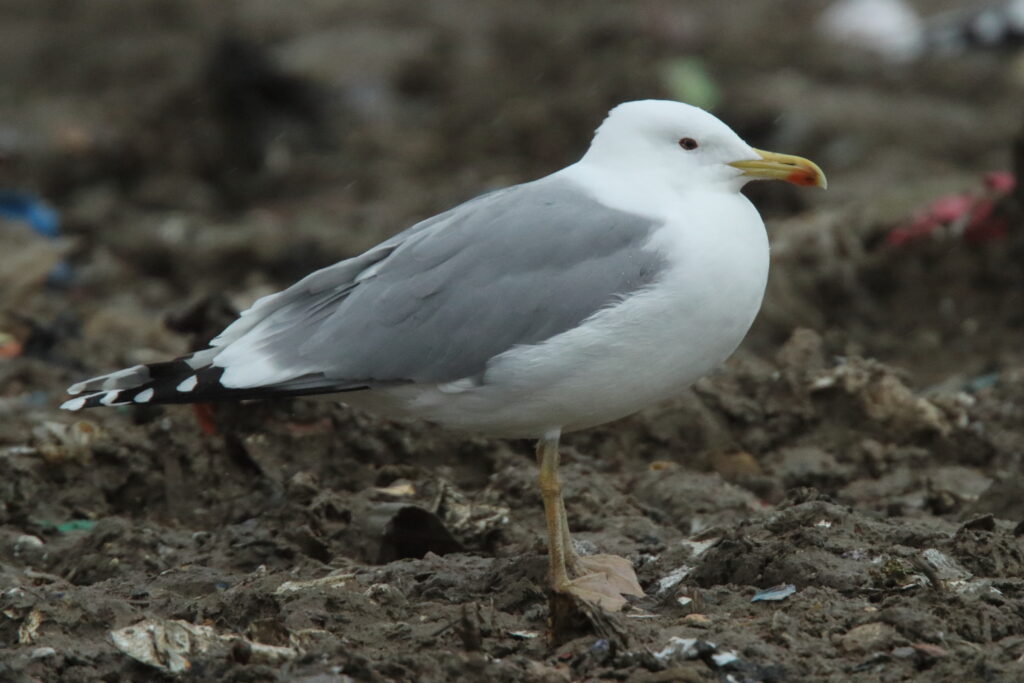
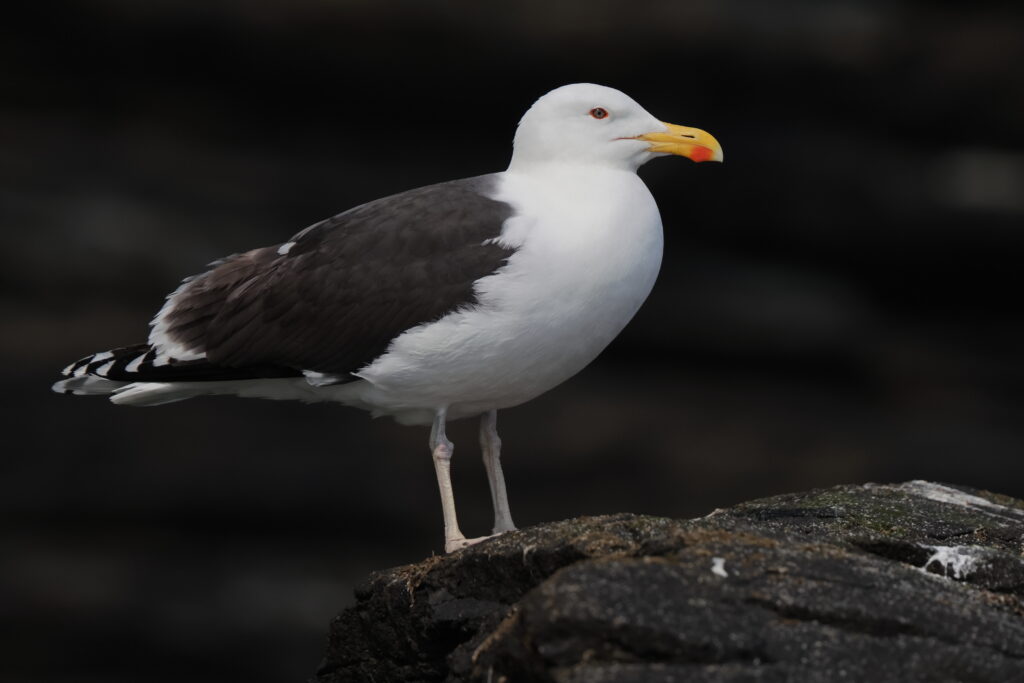
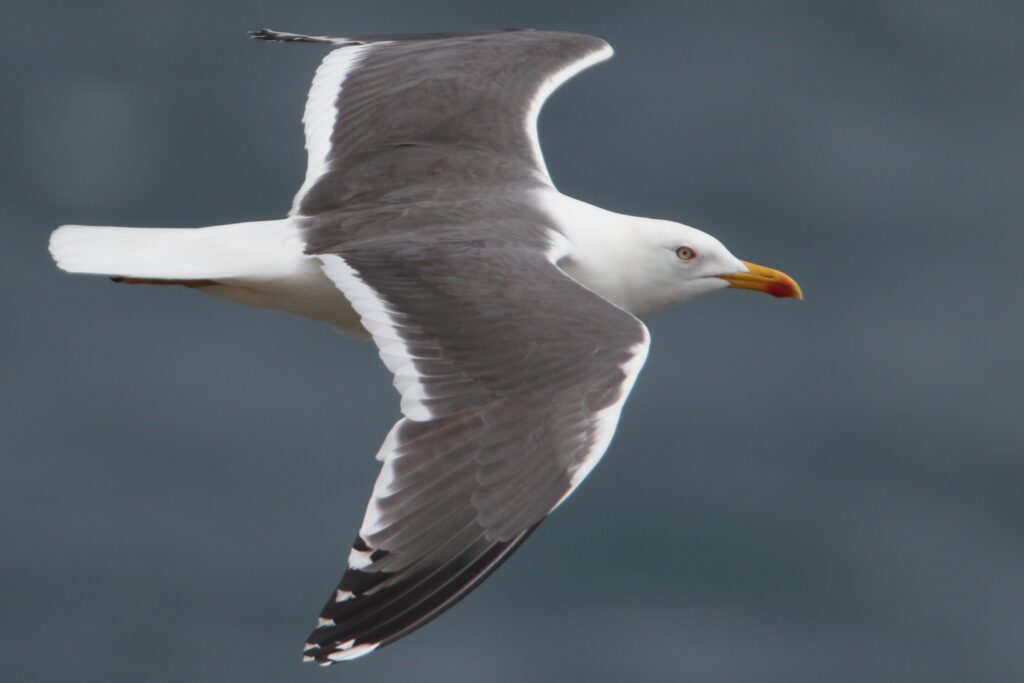
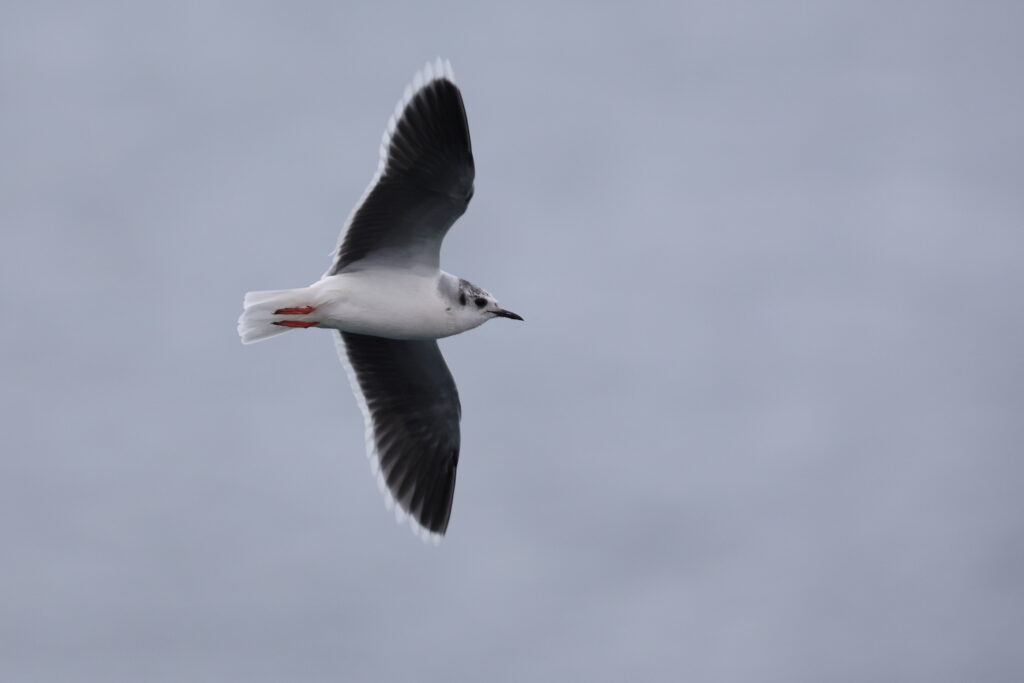
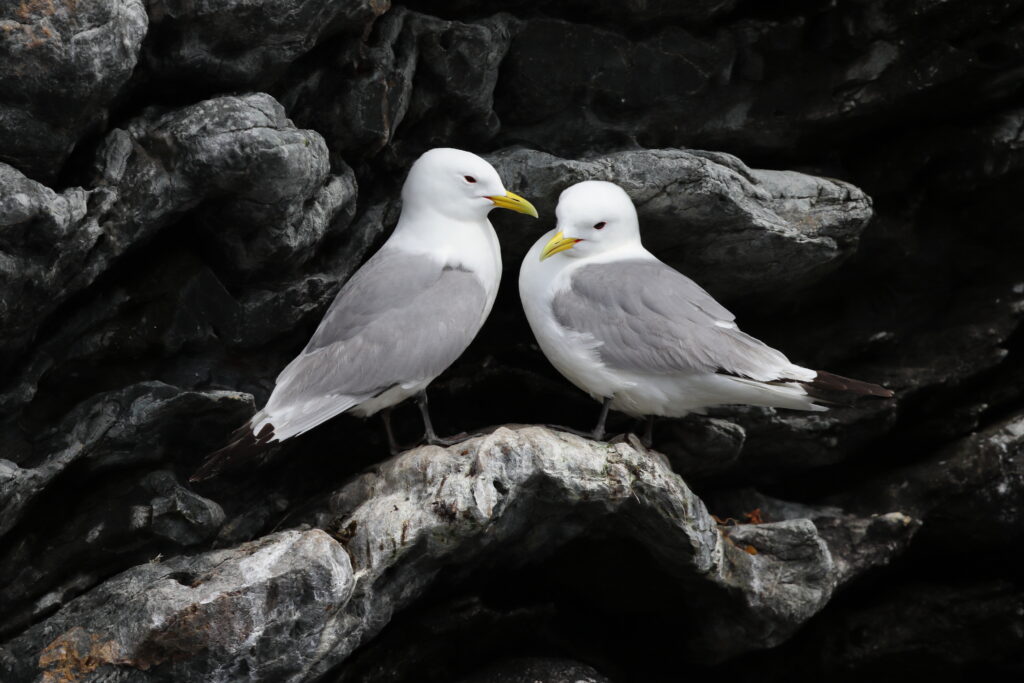
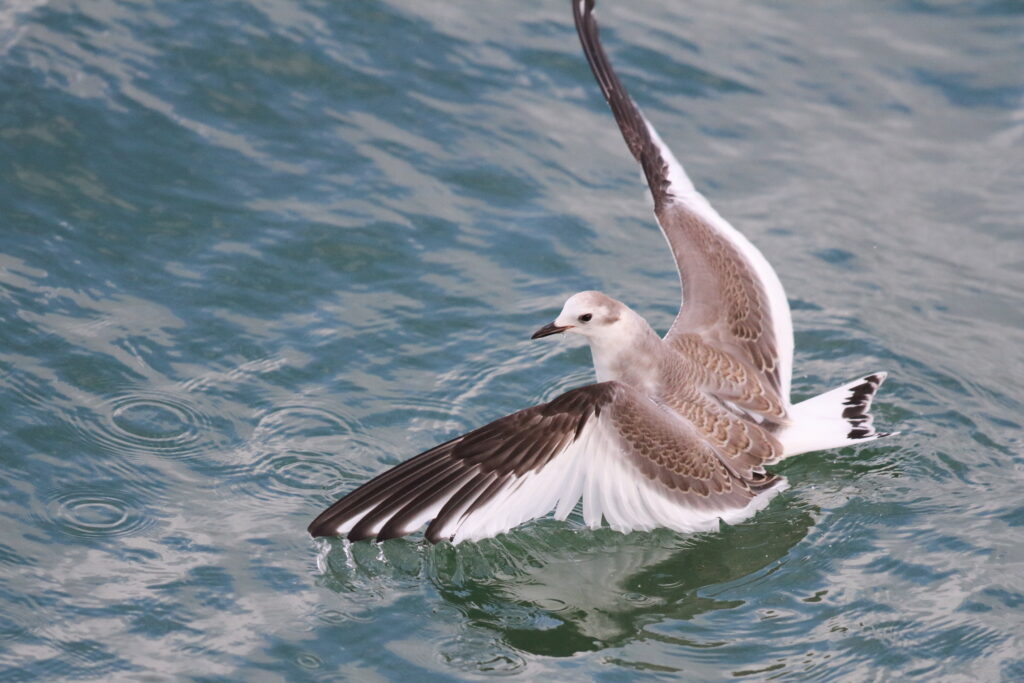
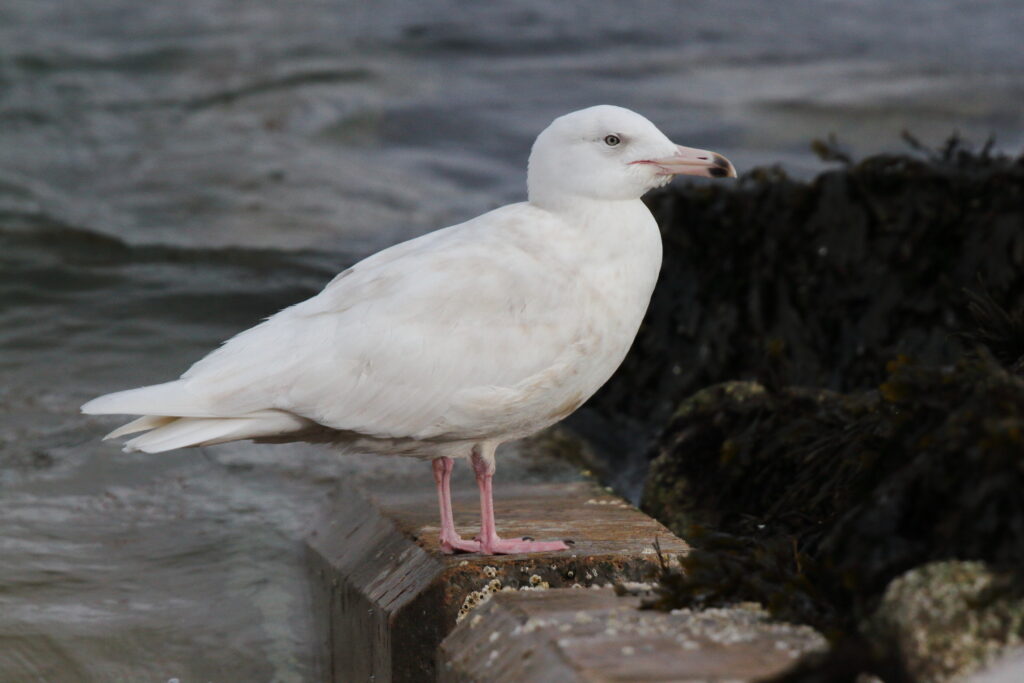
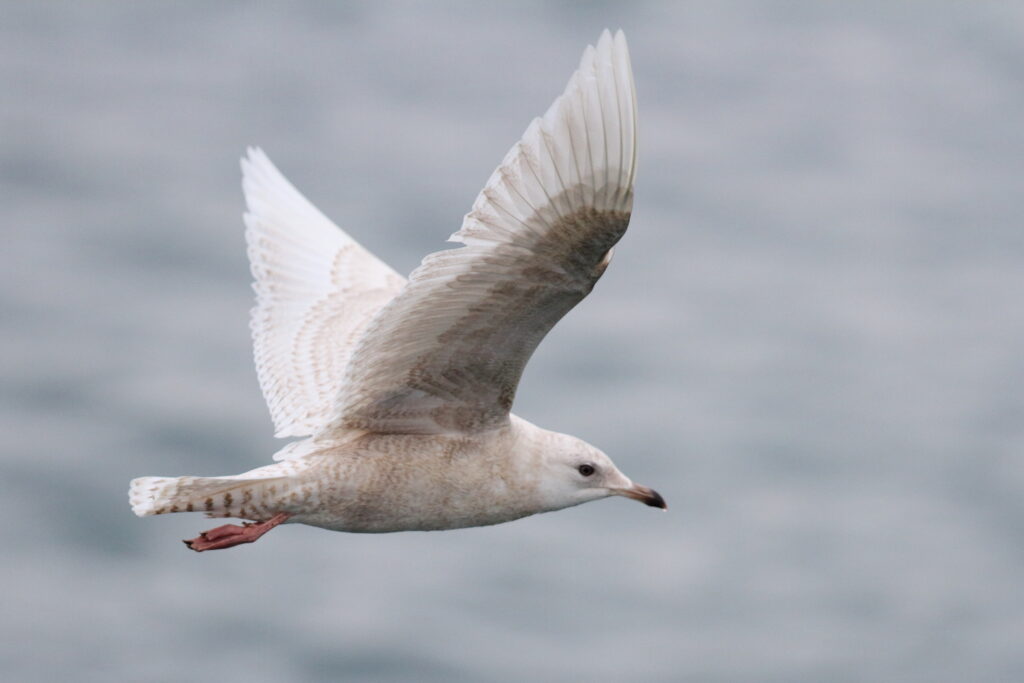
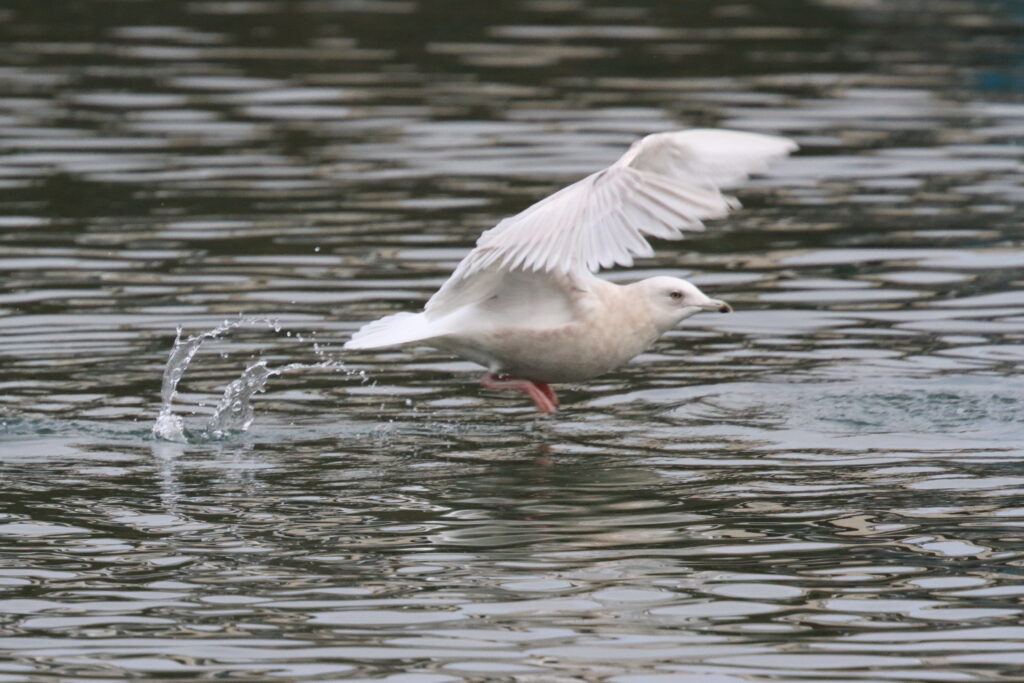
Ivory Gull
Laughing Gull
Oddities & to be sorted
To be continued … >